Skip to content
EDVIS

Neighbourhoods

Every home has its neighbourhood

What is around, what to taste and a walk to take: the places of our homes, one by one.

Turin

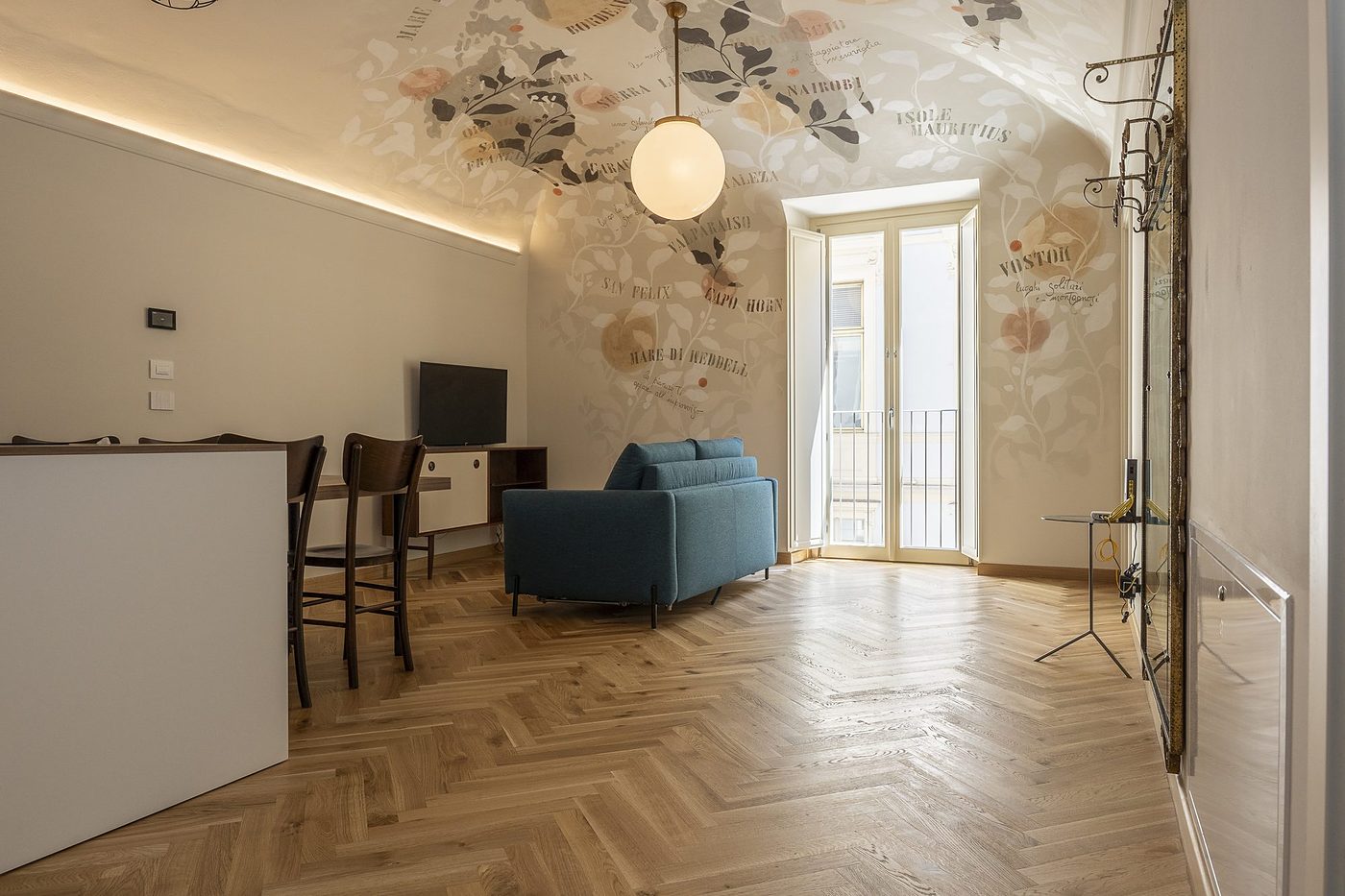
Borgo Nuovo

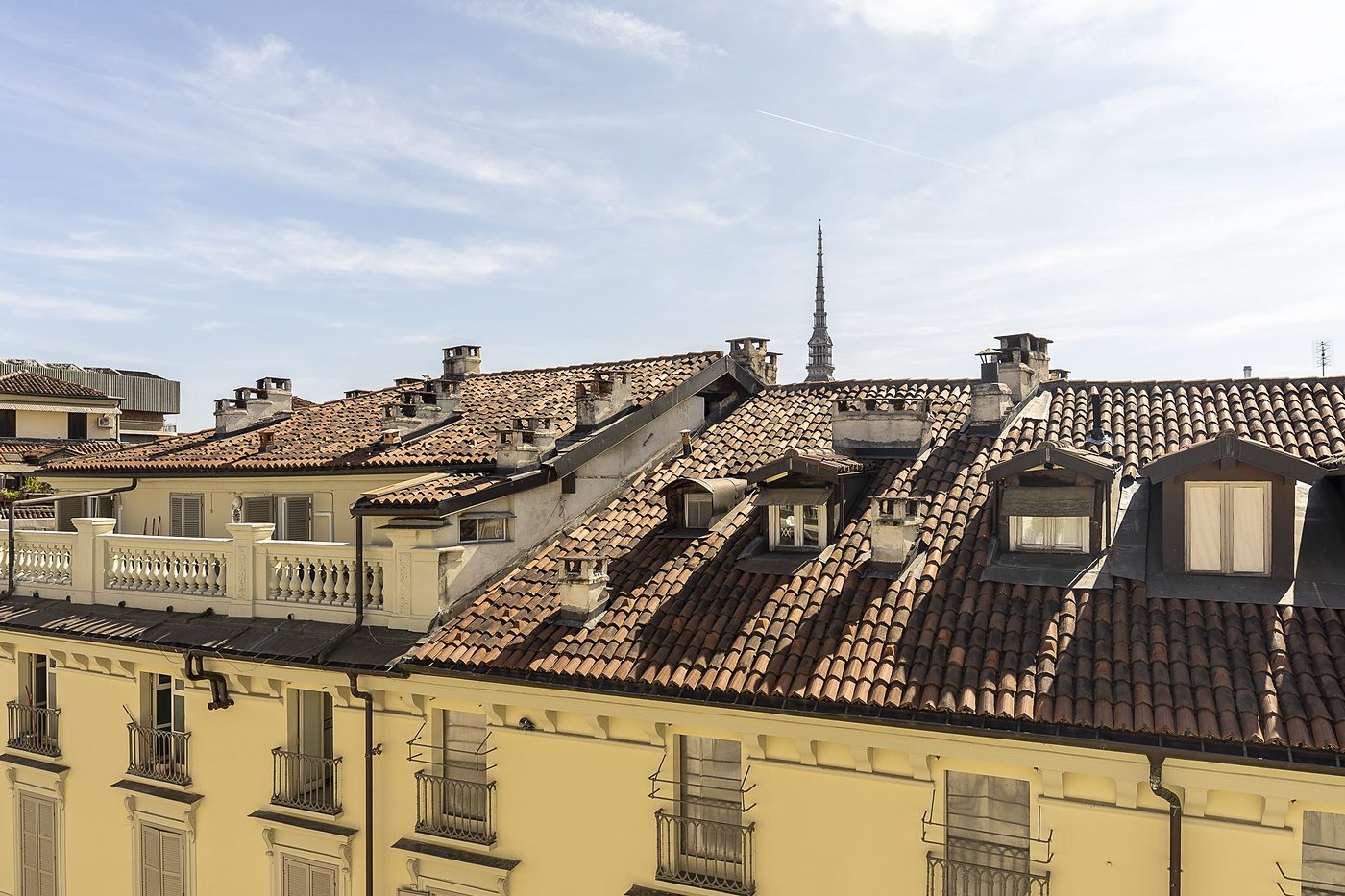
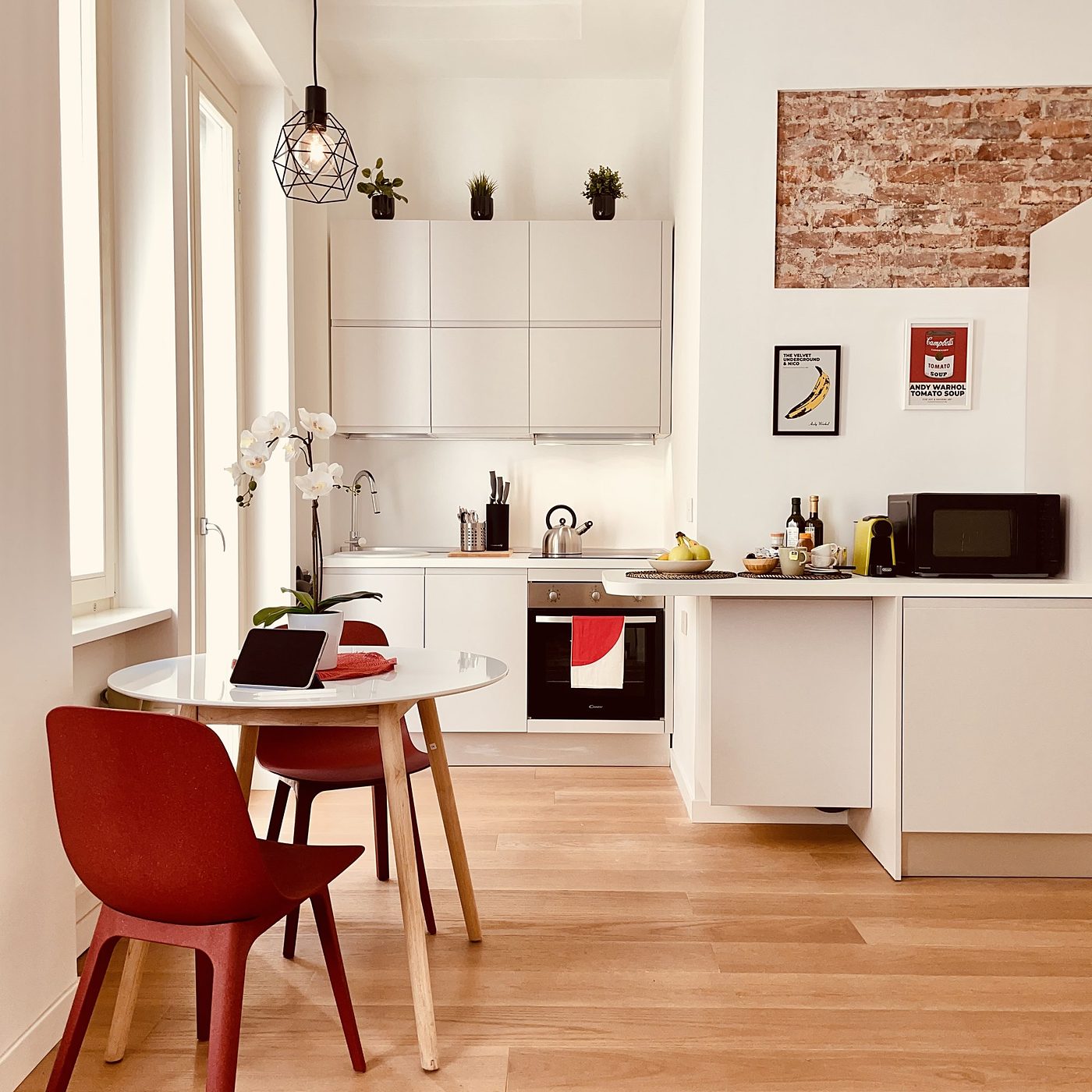
Via Mazzini used to be the "Via di Borgo Nuovo": the neighbourhood was born with the 1822 expansion ordered by King Carlo Felice, between Via Mazzini and Corso Vittorio Emanuele II, with townhouses and gardens. Today it is a quiet, residential part of the centre, a short walk from Via Roma and San Salvario.

Close to home: the Giuseppe Verdi Conservatory in Piazza Bodoni (concerts), the church of San Massimo on Via Mazzini (neoclassical, from the time of King Carlo Alberto) and Piazza Carlina with its cafés.

Things to taste

  • Bicerin (coffee, chocolate and cream): Caffè al Bicerin, Piazza della Consolata 5 (the historic café).
  • Merenda Reale (hot chocolate with biscuits for dipping): Baratti & Milano and other historic cafés.
  • Hot chocolate in a cup: Pasticceria Ghigo, Via Po (since 1870).
  • Gianduiotti and cremini in the chocolate shops of the centre.

A walk

Piazza Bodoni → Via Mazzini towards the Po → Piazza Carlina → Via Po under the arcades → the Murazzi riverside → Valentino Park and the Medieval Village (built for the 1884 Exhibition) → back through San Salvario.
Turin

Piazza San Carlo and Via Roma

Piazza San Carlo is "Turin's drawing room": it opened in 1638 to a design by Carlo di Castellamonte, when the city grew southwards after becoming the Savoy capital. On the south side stand the "twin" churches of Santa Cristina and San Carlo, in the middle the equestrian statue of Emanuele Filiberto, and all around the arcades with their historic cafés.

Via Roma, under its arcades, links Porta Nuova station to Piazza Castello, passing right through here.

Things to taste

  • A coffee at the bar of a historic café on the square: Caffè San Carlo (since 1822, Piazza San Carlo 156) or Caffè Torino (Piazza San Carlo 204).
  • Fruit jellies, candied flowers and small pastries: Confetteria Stratta (since 1836, Piazza San Carlo 191).
  • The tramezzino sandwich where it first arrived in Turin: Caffè Mulassano, Piazza Castello 15.
  • Hot chocolate and Merenda Reale: Baratti & Milano, in the Galleria Subalpina.

Turin

Piazza Castello

Piazza Castello is the exact centre of the city and the heart of the old Savoy capital. Since 2000 it has been largely pedestrian, with fountains and benches.

In the middle of the square stands Palazzo Madama: first a Roman gate, then a medieval fortress and the castle of the princes of Acaja, it takes its name from the "Madame Reali", the royal ladies who lived there in the 1600s. The baroque façade is by Filippo Juvarra. At the far end of the square, the Piazzetta Reale and the Royal Palace.

Things to taste

  • A tramezzino at Caffè Mulassano, Piazza Castello 15: this is where it first appeared in Turin.
  • Hot chocolate or Merenda Reale at Baratti & Milano, in the Galleria Subalpina (entrance from the square).
  • A coffee at Caffè Fiorio, under the arcades of Via Po 8: a historic café (1780), where the walk-away ice-cream cone was born.

A walk

Piazza Castello → Piazzetta Reale → the Cathedral → back to the square → Galleria Subalpina → the arcades of Via Po up to Caffè Fiorio → back along Via Roma through Piazza San Carlo.

Turin

Porta Nuova and Crocetta

In front of Porta Nuova station opens Piazza Carlo Felice with the Sambuy Garden: two large flower beds, a fountain and old horse-chestnut and beech trees. From there the arcades of Via Roma lead to the centre.

Behind the station, between Corso Re Umberto and the railway, lies Borgo San Secondo, built from 1850; further south is Crocetta, a residential area of Art Nouveau buildings and tree-lined avenues that grew up from the 1600s around the church of the same name, today home to the Politecnico university.

Turin

Porta Susa and Cit Turin

Just past Porta Susa station begins Cit Turin, which in Piedmontese means "little Turin": it is the Art Nouveau quarter. Together with nearby San Donato it has the finest buildings in this style, especially in the triangle between Corso Francia and Via Cibrario that points towards Piazza Statuto.

It is an elegant, quiet area, with a market loved by the locals and the centre a few minutes away.

Mountains

Cesana, Sestriere and the Via Lattea

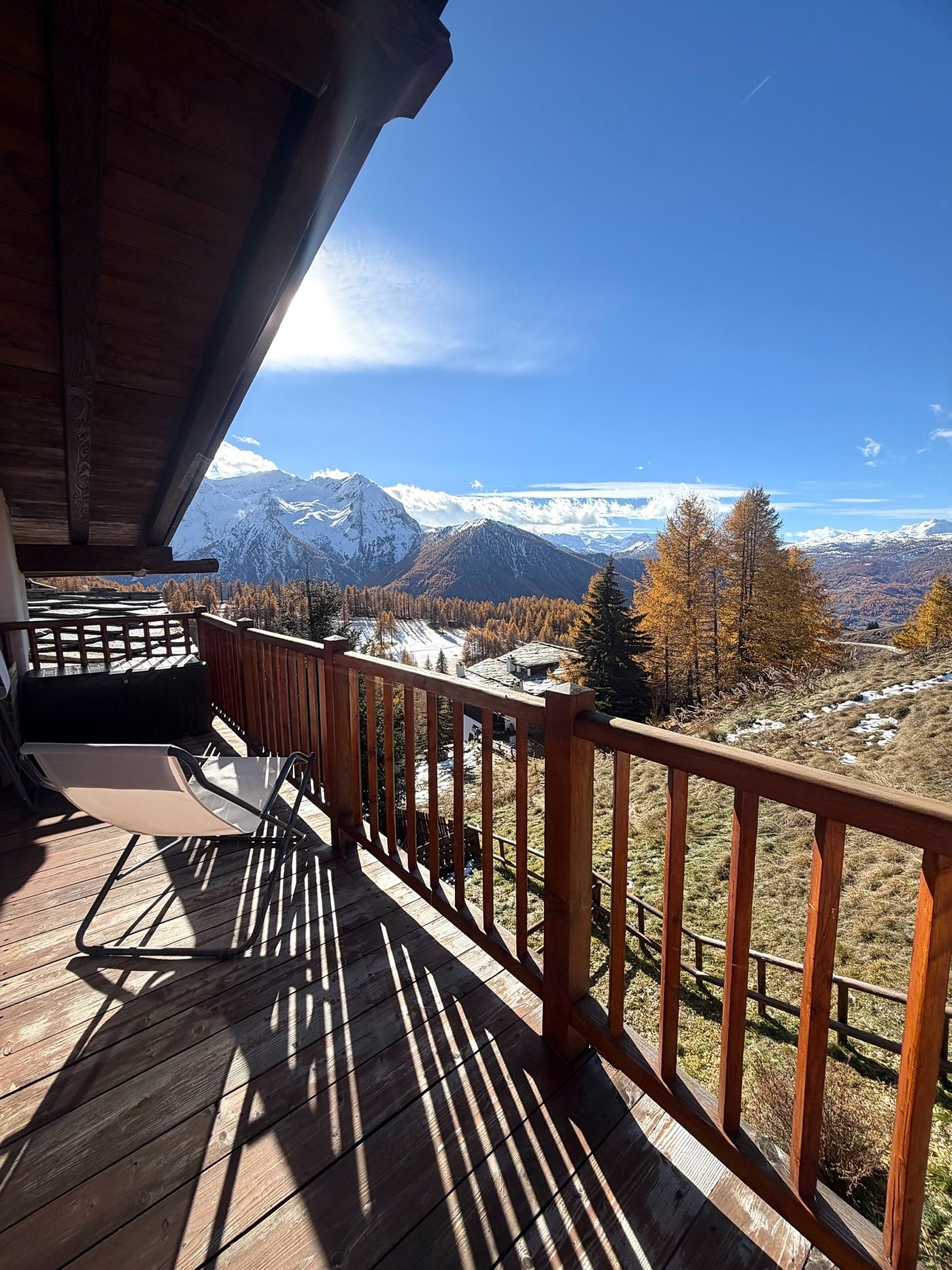
Cesana is a mountain village on the road to Montgenèvre, at the heart of the upper Susa and Chisone valleys. Its old centre has kept the feel of the village it once was.

It is one of the gateways to the Via Lattea, the ski area with 400 km of slopes linking Sestriere, Sauze d'Oulx, Sansicario, Claviere, Pragelato, Oulx and, in France, Montgenèvre. In 2006 it hosted the Olympic biathlon, bobsleigh, luge and skeleton events.

In winter

  • Slope webcams: vialattea.it/webcam.
  • Beyond skiing: snowshoeing, ski touring, freeride and snowpark.

Sea

Palau and Costa Serena

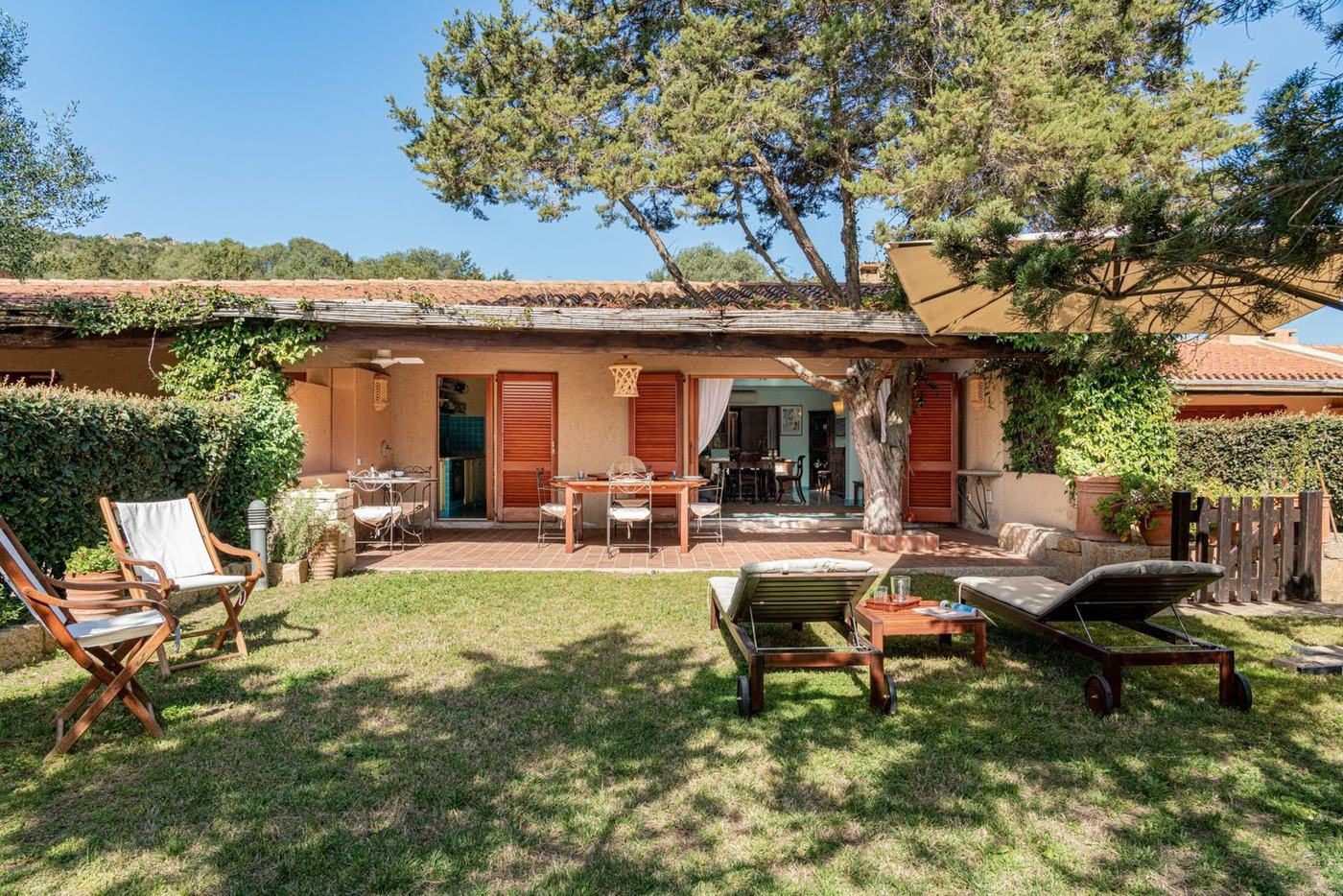
Palau is the harbour for La Maddalena: the ferry takes about 20 minutes, with sailings all day, all year round. All around are wind-carved granite, Mediterranean scrub and small coves. Costa Serena is a quiet residential village, a few minutes' drive from the town.

Things to taste

  • Zuppa gallurese (bread, cheese and broth baked in the oven).
  • Li chiusoni (hand-made gnocchetti).
  • Vermentino di Gallura (the local white wine).

Don't miss

  • La Maddalena by ferry (Maddalena Lines and Delcomar; last return in the evening: check the day's timetable). On the island: the panoramic road, Cala Francese, Cala Spalmatore, Bassa Trinità.
  • Porto Pollo and Isola dei Gabbiani: wind, windsurfing and kitesurfing.
  • Monte Altura Fortress (1887) and the Li Mizzani Giants' Tomb, for a half day away from the sea.

A day here

Morning on the beach at Costa Serena → lunch at Porto Pollo → afternoon on La Maddalena → sunset at the Bear Rock → dinner in town → a stroll along the harbour.